Costa Rican tea, or “agua dulce,” simply combines hot water and “tapa de dulce.” To make this soothing beverage, steep a piece of solid cane sugar in boiling water until dissolved.
Costa Rican tea provides a comforting warmth and sweet satisfaction, particularly on cool evenings or as a traditional start to the morning. This recipe represents more than just a drink; it’s a glimpse into the Costa Rican way of life, emphasizing simplicity and the joy of natural sweeteners.
“Tapa de dulce,” a block of pure, unrefined cane sugar, serves as the cornerstone of this recipe, infusing the water with a caramel-like richness that is both delicious and energizing. As you prepare the tea, the aroma of melting sugar fills the kitchen, transporting you to the lush landscapes and tranquil pace of Costa Rica. Easy to make and delightful to enjoy, this tea is not just a beverage; it’s a celebration of culture in a cup.

Credit: http://www.amazon.com
Tropical Aromas In Your Kitchen
Welcome to a journey that fills your home with exotic scents. We bring the allure of Costa Rica to your kitchen. Imagine the fragrant notes of fresh herbs swirling through the air. Let’s transform your tea time into a tropical escape.
The Charm Of Costa Rican Tea
Costa Rican tea is not just a drink. It’s a culture-rich experience. Each sip captures the essence of the tropics. Local ingredients fuse to create delightful flavors. These teas reflect Costa Rica’s vibrant biodiversity.
- Bold flavors from fresh ingredients
- Teas are steeped in tradition
- Perfect blends stimulate all your senses
Setting Up A Tropical Ambiance
Creating the right mood is key for savoring Costa Rican tea. Decor is crucial. Choose vibrant colors and lush greens. Think about adding tropical plants like ferns or anthuriums. Play gentle rainforest sounds in the background.

Credit: http://www.sarapnow.com
Origins Of Costa Rican Tea
The Origins of Costa Rican Tea reach back to the rich soils and traditional practices of this lush Central American country. For centuries, local communities have harnessed the natural bounty of herbs, fruits, and flowers to craft teas that are not just beverages but cultural experiences steeped in history.
A Journey Through Costa Rica’s Tea Culture
The Costa Rican tea scene reflects a deep connection to nature and sustainability. Farms across the nation grow a variety of plants that make their way into aromatic teas. Visitors often find themselves on a path that weaves through misty mountain ranges and vibrant markets, where every cup of tea serves as a tribute to the land and its people.
Herbal Traditions And Local Ingredients
Local ingredients lie at the heart of Costa Rican tea recipes and are often hand-picked for the freshest flavors. Common local herbs include:
- lemongrass, known for its calming effects
- mint, which refreshes and aids digestion
- hibiscus, with its vibrant color and tangy taste
These herbs are often blended to create teas that nourish the body and soothe the soul. They represent a practice that passes from generation to generation, preserving the essence of Costa Rica in every sip.
Essential Ingredients For Authenticity
Welcome to a journey through the vibrant flavors of Costa Rican tea! Crafting an authentic cup hinges on quality components. Let’s delve into the essentials.
Selecting The Right Tea Leaves
Quality tea leaves form the foundation of a great cup. For a true Costa Rican experience, focus on black or green tea varieties. Organic options sourced from local farmers ensure both freshness and support for the community.
Tropical Fruits And Herbs To Enhance Flavor
Infusing tea with tropical fruits introduces a burst of Costa Rican essence. Typical fruits include:
- Mango
- Passionfruit
- Guava
Local herbs like lemongrass and mint complement the fruity notes, adding depth and aroma.
| Ingredient | Role |
|---|---|
| Tea Leaves | Base Flavor |
| Mango | Sweetness |
| Passionfruit | Tartness |
| Guava | Tropical Aroma |
| Lemongrass | Citrusy Edge |
| Mint | Fresh Finish |
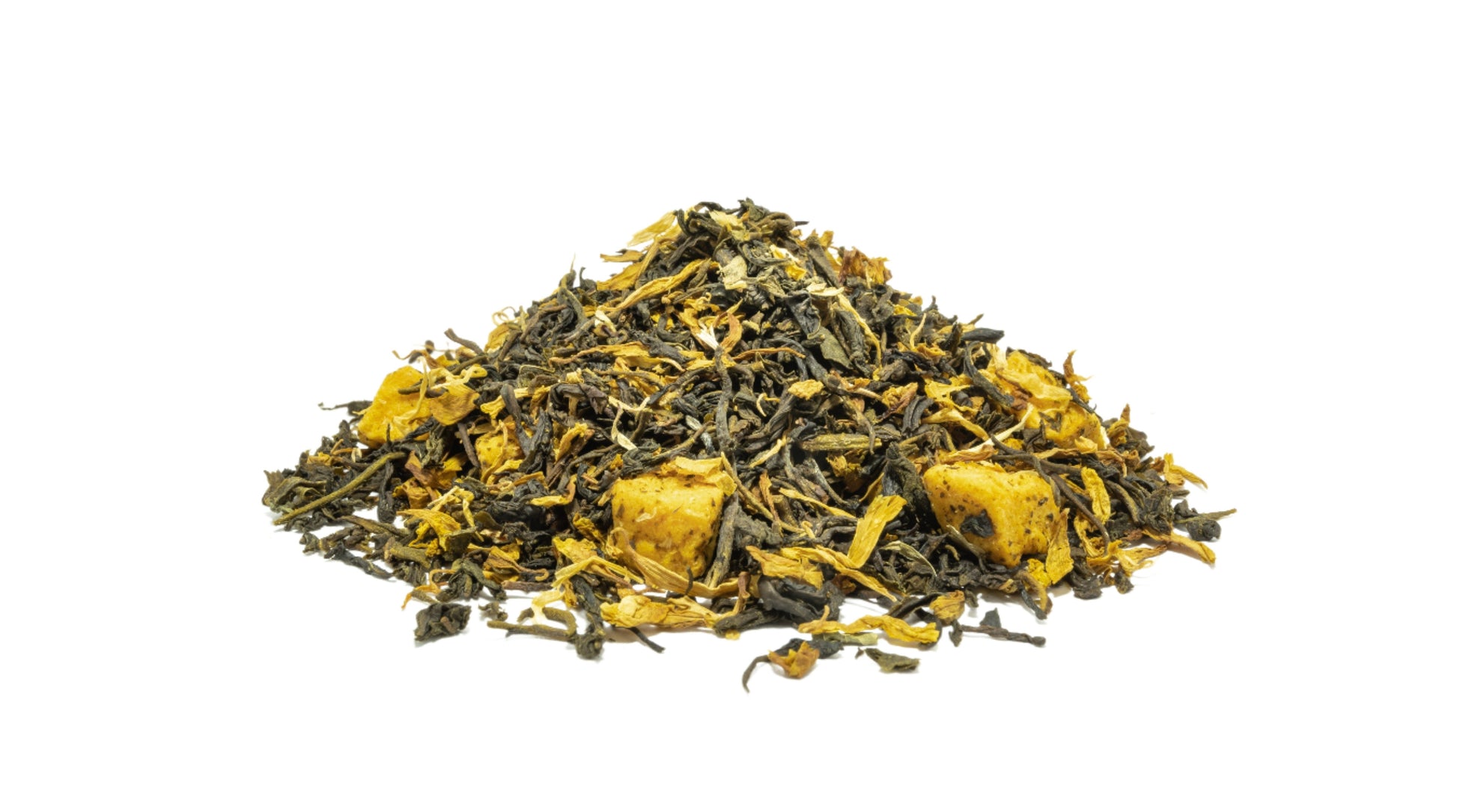
Credit: tea2you.co.uk
Step-by-step Brewing Process
Embark on a journey to refresh your senses with this ‘Step-by-Step Brewing Process’ for a traditional Costa Rican tea. A blissful sip of this warm, aromatic beverage can transport you to the lush rainforests of Costa Rica without leaving your home.
Preparing Your Ingredients
Gather fresh ingredients to ensure your Costa Rican tea captures the essence of its rich landscape.
- Fresh or dried leaves from the Borbón plant
- Pure, filtered water
- Natural sweeteners like honey or sugar (optional)
- Slices of ginger or citrus for an extra zing (optional)
Clean the leaves under cool water to remove any impurities before brewing.
Mastering The Steeping Technique
Perfecting the steep is crucial to unlocking the full flavor of your tea.
- Boil 1 liter of water in a kettle.
- Add a handful of leaves for a potent brew.
- If using sweeteners, mix them into the boiling water.
- Turn off the heat and place the leaves.
- Let the tea steep for 5 minutes.
- For additional flavor, steep with ginger or citrus.
- Strain the leaves from the mixture.
The result should be a deeply-infused, amber-colored liquid, ready to enjoy!
Serving Suggestions
Let’s turn the simple act of enjoying Costa Rican tea into an extraordinary experience. Whether for a quiet morning or a gathering with friends, these serving suggestions will entice your senses. Make each sip memorable with perfect pairings and elegant presentation touches.
Ideal Pairings With Costa Rican Tea
The rich flavors of Costa Rican tea blend beautifully with a variety of foods. Some of the best companions include:
- Tropical fruits: Mangoes, pineapples, and papayas enhance the tea’s natural zest.
- Sweet pastries: Try banana bread or coconut flan to complement the tea’s warmth.
- Cheese platters: A selection of cheeses balances the tea’s robust profile.
For a complete experience, consider these:
| Time of Day | Pairing Idea |
|---|---|
| Morning | Freshly baked bread and local jams. |
| Afternoon | A light salad with citrus dressing. |
| Evening | Heartier dishes like empanadas or tamales. |
Decorative Touches For A Special Presentation
These elegant touches can transform your tea time:
- Pour tea into colorful ceramic cups to add visual warmth.
- Use delicate tea napkins with tropical designs for a festive touch.
- Adorn the tray with fresh flowers like orchids or hibiscus for a bit of nature’s beauty.
Remember, a well-set table encourages conversation and relaxation. Try using these:
- Bamboo coasters to protect surfaces and add a rustic feel.
- Natural fiber placemats for an authentic Costa Rican tablescape.
- Include miniature flags or trivia cards about Costa Rica for an educational twist.
Diy Variations For Personal Twist
Welcome to the delightful world of Costa Rican tea, where each sip transports you to the lush landscapes of this tropical paradise. If you’re someone who loves a personal touch in your homemade beverages, you’ll enjoy exploring the endless possibilities of Costa Rican tea DIY variations. Let’s dive into how you can adapt and experiment with different blends, making a unique tea experience just for you!
Adapting The Recipe To Your Taste
Making Costa Rican tea your own is all about tailoring it to what you love. Here’s how to start:
- Choose Your Base: Traditional recipes use black or green tea. Want to switch it up? Try herbal or white tea as a refreshing alternative.
- Sweeten It Up: Sugar is common, but honey or agave are tasty, healthy swaps. Control the sweetness to your liking.
- Citrus Zest: Add orange or lemon zest to brighten the flavor with a tangy twist.
- Spice It: Introduce cinnamon, ginger, or cardamom for a warming sensation.
- Cool It: Love iced tea? Chill your brew and serve with ice cubes for a soothing summer drink.
Experimenting With Different Blends
Tea blending is an art. Start creating masterpieces with these tips:
- Mix and Match: Combine different teas to find your perfect match. Experiment with ratios until you hit the sweet spot.
- Herbs and Flowers: Introduce flavors like mint or chamomile. Even a hint of lavender can transform your cup.
- Local Flavors: Embrace Costa Rican vibes with local ingredients such as lemongrass or passionfruit leaves, if you can find them.
- Fruity Notes: Incorporate dried fruit pieces for a burst of natural sweetness and color.
- Test Incrementally: Brew small batches. This way, you can tweak without wasting ingredients.
Remember, the secret to a fantastic personal blend is to start simple and build complexity as you go. Your taste buds will guide you to your ultimate Costa Rican tea concoction. Enjoy the process and sip happily!
Frequently Asked Questions On Costa Rican Tea Recipe
What Is The Traditional Costa Rican Tea?
Costa Rican traditional tea typically refers to “agua de sapo,” a ginger-based herbal infusion. It combines ginger, sugar, lemon, and sometimes cinnamon for a refreshing taste.
How Do You Make Authentic Costa Rican Tea?
To make authentic Costa Rican tea, boil water with chopped ginger and cinnamon. After boiling for a few minutes, remove from heat. Add sugar and lemon juice to taste, then strain and serve hot or cold.
What Are The Health Benefits Of Costa Rican Tea?
Costa Rican tea, with ginger as its main ingredient, can aid digestion and reduce inflammation. Being rich in vitamin C, it also helps boost the immune system when consumed regularly.
Can Costa Rican Tea Be Served Cold?
Yes, Costa Rican tea, especially agua de sapo, is delicious when served cold. It’s a refreshing beverage perfect for hot climates and summer days.
Conclusion
Discovering the flavors of Costa Rica has never been easier. With this simple tea recipe, you can savor a piece of paradise anytime. Embrace the warmth, health benefits, and tropical zest each sip brings. Start brewing your own Costa Rican tea today and let its vibrant essence uplift your senses.
Pura Vida!
 Archery
Leave a comment